Solar Development
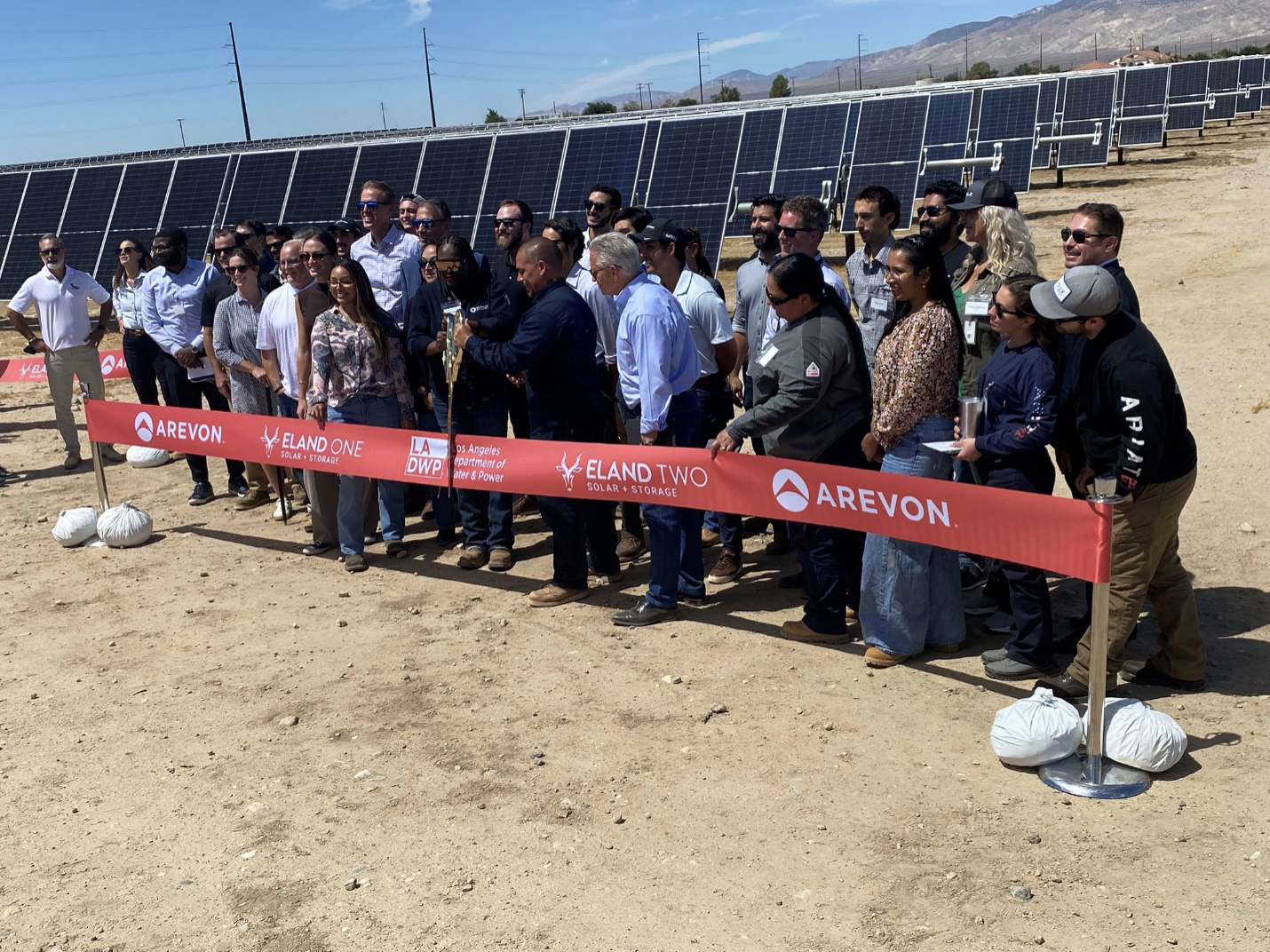
EPC has supported or is currently supporting more than a dozen photovoltaic development projects located in the Mojave Desert or San Joaquin Valley. Tasks ranged from the first biological surveys in support of permitting to environmental compliance during the Operations and Maintenance phase of the project. EPC has distinguished itself in the renewable energy sector in the following areas:
- Cost effective and efficient biological survey strategies
- Identifying potential “gotchas” in draft environmental permitting review
- Finding client-centric solutions to complicated environmental regulation
- “Rightsizing” staffing for solar projects with biologists experienced with renewable energy
- Environmental task management to provide on-time deliverables and reporting
 Delhi-Sands Flower-loving Fly Projects
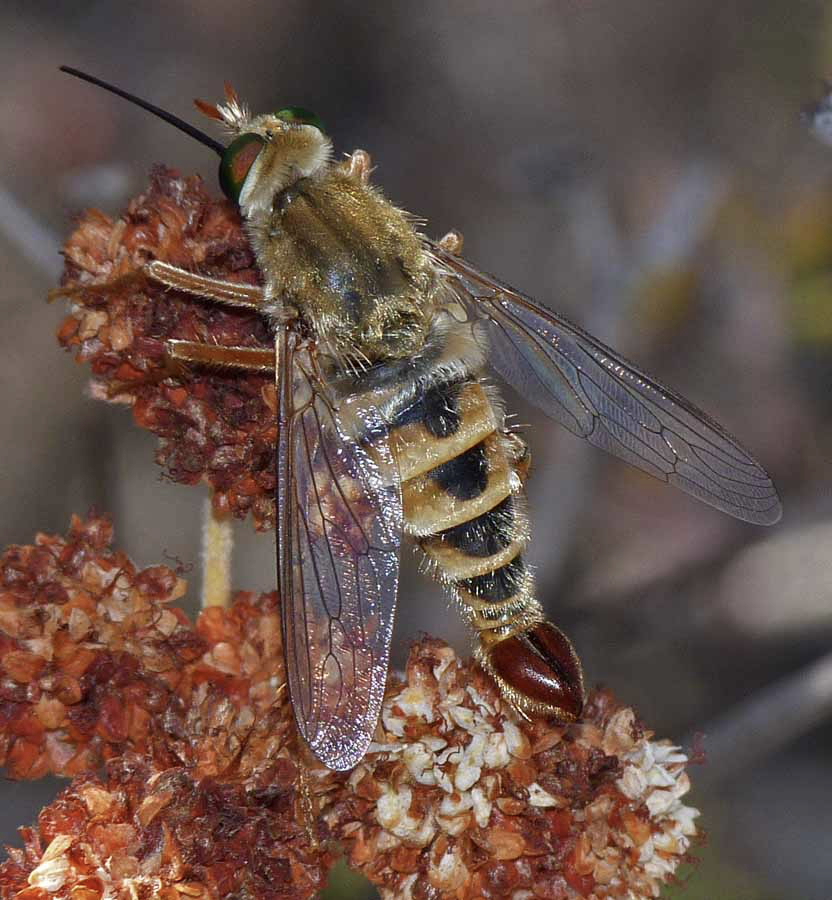
The Delhi-Sands Flower-loving Fly (Rhaphiomidas terminatus abdominalis; DSFLF) is a federally listed endangered species that has historically occupied approximately 40 square miles in the area of southern the Southern California Cities of Ontario, Colton, and Fontana. Its status as an endangered species has been locally contentious as the protection of its habitat is viewed as a hindrance to development. Biologists must be permitted to conduct surveys for DSFLF and there are less than 20 permitted biologists worldwide. Three of them are associated with EPC. EPC has provided a variety of services for clients since 1996. One of the popular services is a habitat suitability evaluation to help determine if focused surveys are required. EPC also routinely conducts protocol presence/absence surveys and reporting according to U.S. Fish and Wildlife Service protocols.
 DPV2 Transmission Line
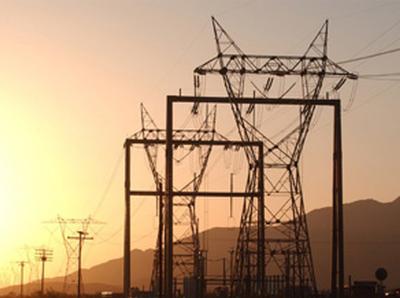
EPC has been providing biological support for new construction of the 500kV Devers to Palo Verde 2 transmission project since early 2012 as part of a larger interdisciplinary team. At peak, EPC had 50 biologists working on the project conducting protocol surveys and biological monitoring with species focus on desert tortoise, Coachella Valley fringe-toed lizard, flat-tailed horned lizard, Stephen’s kangaroo rat, and avian species. EPC was chosen to exclusively provide the biological monitoring support for wire stringing operations owing to our experience, expertise in this area.
 High Desert Power Plant Gas Transmission Line
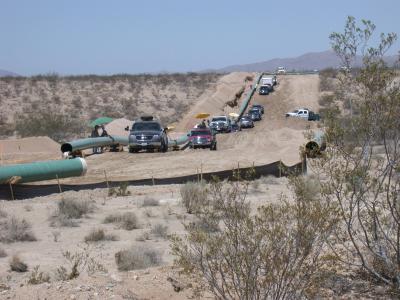
Constellation Energy constructed the 830 MW gas-fired High Desert Power Plant near Victorville, California. The natural gas was supplied by a newly constructed 32-mile long pipeline interconnect to the Kern River Gas Transmission Line. The new line traversed occupied desert tortoise habitat. EPC was tasked with surveys and biological support for the transmission line. Intensive surveys were conducted to identify resources and unique strategies that focused on both protecting the resources and monitoring of construction activities was employed to achieve zero “take” of sensitive resources and construction of the project on schedule.
 Western Joshua Tree Censuses and WJT removal
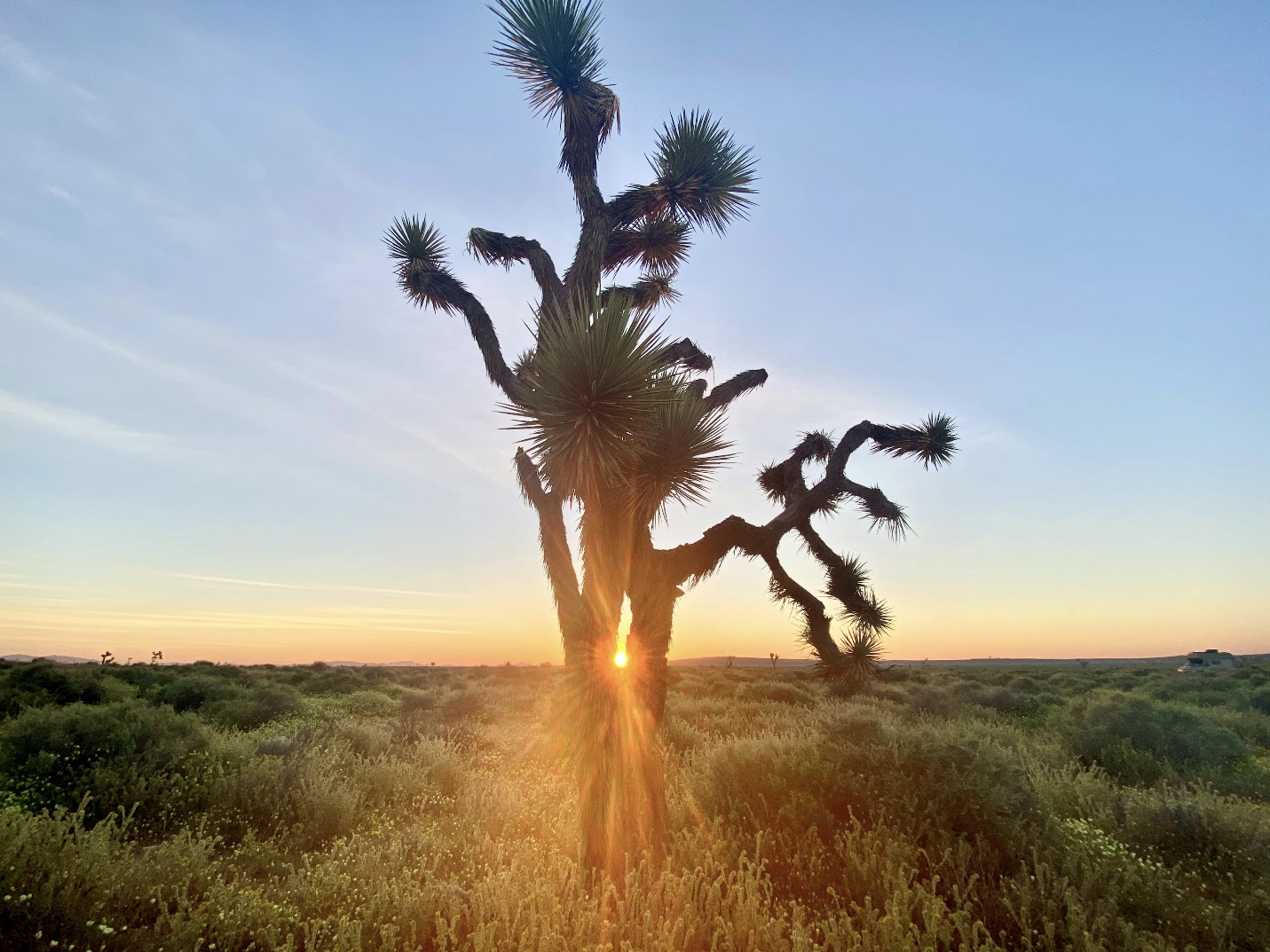
In September of 2020, the California Fish and Game Commission advanced the western Joshua Tree (WJT) to state candidacy status. As an alternative to listing the species under the California Endangered Species Act, the Western Joshua Tree Conservation Act (WJTCA), a California State law, was enacted in July of 2023. Both the initial candidacy listing and the current WJTCA require a WJT census to be completed according to particular specifications. EPC has conducted multiple censused and recorded over 12,000 WJT on various solar projects following the protocols in place in 2020 up to the current WJTCA protocols. EPC utilized sub-foot accuracy location recording, marking of WJT with bar code readable tags, and sophisticated use of GIS capabilities to efficiently and accurately track WJT. EPC also provided biological surveys in advance of WJT removal and biological monitoring of WJT removal for over 11,000 WJT on projects with zero take of any sensitive wildlife species.
